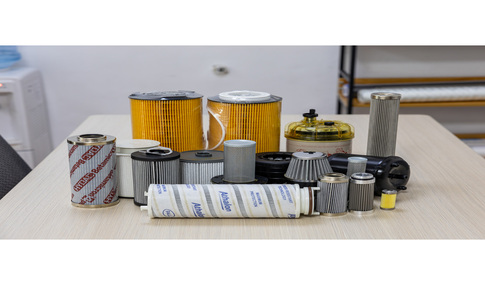
A ceramic water filter uses microporous ceramic material to reduce contaminants in your water. Many also feature a carbon core, which further improves filtration and enhances the taste of your drinking water.
How does a ceramic filter work?
Ceramic water filters work by allowing water to flow through the millions of tiny pores on the casing of the ceramic cartridge. These pores, one-half micron in size, trap impurities as the water passes through them. The inside of the filter is a convoluted maze of sharp angles designed to catch any particles that have penetrated the exterior surface. Because of the minute size of the pores and complexity of the filter, the water percolation through a ceramic filter is very fine particulate filtration, eliminating a host of contaminants like bacteria and sediment.
This system of filtration imitates part of the Earth’s natural water purification process. Just as water from aquifers seeps through layers of rock in the earth’s surface as it makes its way to streams, the water in a ceramic filter permeates natural media to rid itself of impurities.
What is a ceramic filter made of?
In most cases, ceramic filter candles are made with an internal activated carbon core. The carbon core increases the adsorption capabilities of the filter. The ceramic is also often impregnated with silver ions, giving the filter strong bacteriostatic and self-sterilizing properties. These silver ions repel bacterial growth, preventing mold and algae from developing on the surface of the filter. With a carbon core and silver-impregnated ceramic, you have a filter that can reduce a list of chemical contaminants as well as living organisms.
Where are ceramic filters used?
Ceramic filters can be used in under-sink installations, other point-of-use applications, or as portable filters you can take on camping trips or elsewhere. The most common application for ceramic water filters is point-of-use drinking water. Because of its 0.5 micron filtration, simple upkeep, and low cost, a ceramic filter makes an excellent countertop or under-sink filter in households. The gravity-fed filters can provide you with clean water in your kitchen and be taken on hiking and camping trips. If installed with the proper cartridge, you can pour stream water into the filter and make it drinkable. Ceramic filters are also ideal for anywhere where space is limited, like an apartment or RV. A double open-ended ceramic filter can be inserted into any standard 10-inch water filter housing and used in conjunction with other filters, like a sediment filter or anti-scale filter.
What does a ceramic filter remove?
Ceramic alone is a powerful filter and handily removes many contaminants. The extent of the filtration varies and will depend on what additional filtration media the ceramic candle contains. The main categories of contaminants that basic ceramic filters remove are bacteria, sediment, and turbidity.
Bacteria: Ceramic filters are quite effective at removing bacteria from water. Few bacteria are smaller than one micron in size. Unable to pass through the pores, the bacteria are filtered out as the water seeps through the ceramic filter. Ceramic filters rid water of about 99% of pathogenic bacteria, including E. coli, shigella, and salmonella. Microbial cysts, such as Giardia and Cryptosporidium, are also too large to pass through the filters and are easily removed by the ceramic shell. The silver ion impregnation makes ceramic filtration especially advantageous to those with microbiologically unsafe drinking water. Silver ions are toxic to bacteria, further nullifying bacterial contaminants and preserving the cleanliness of the filter’s surface.
Sediment: Particulate matter like dirt, debris, and rust is effectively filtered out by the ceramic filter’s porous surface.
Turbidity: Turbidity is cloudiness caused by suspended particles in the water. This turns your water unappetizing shades of yellow and brown. Ceramic filters adeptly remove the murky coloration from water and restore its clarity.
Chlorine (if filter contains activated carbon): Chlorine is present in most city water because it is used in the municipal purification process. Chlorine leaves water with a bitter chemically taste and an unpleasant smell. The activated carbon reduces both chlorine and chloramines in water, restoring your water’s fresh flavor.
VOCs (if filter contains activated carbon): Volatile organic compounds, or VOCs, include a wide array of chemical contaminants that make their way into water by way of everything from agricultural runoff to consumer products like paints and pesticides. These compounds are all carbon-based, and ceramic filters with carbon cores will greatly reduce the levels of VOCs in your water.
Heavy Metals (if filter contains ion exchange resin): If the ceramic element contains an ion exchange resin, heavy metals like lead, mercury, copper, and zinc are greatly reduced in the water.